Equatorial Guinea Malamba Palm Fruit-Pineapple Smoothie Recipe
Experience the vibrant flavors of Equatorial Guinea with this refreshing Equatorial Guinea Malamba Palm Fruit-Pineapple Smoothie. Blending the rich, creamy pulp of local palm fruit with sweet pineapple and a touch of tropical flair, this smoothie captures the essence of the Chocolate Coast’s abundant produce. Perfect for breakfast, a healthy snack, or a post-workout refresher, this easy Malamba palm fruit smoothie recipe brings authentic Equatorial Guinean sunshine to your glass.
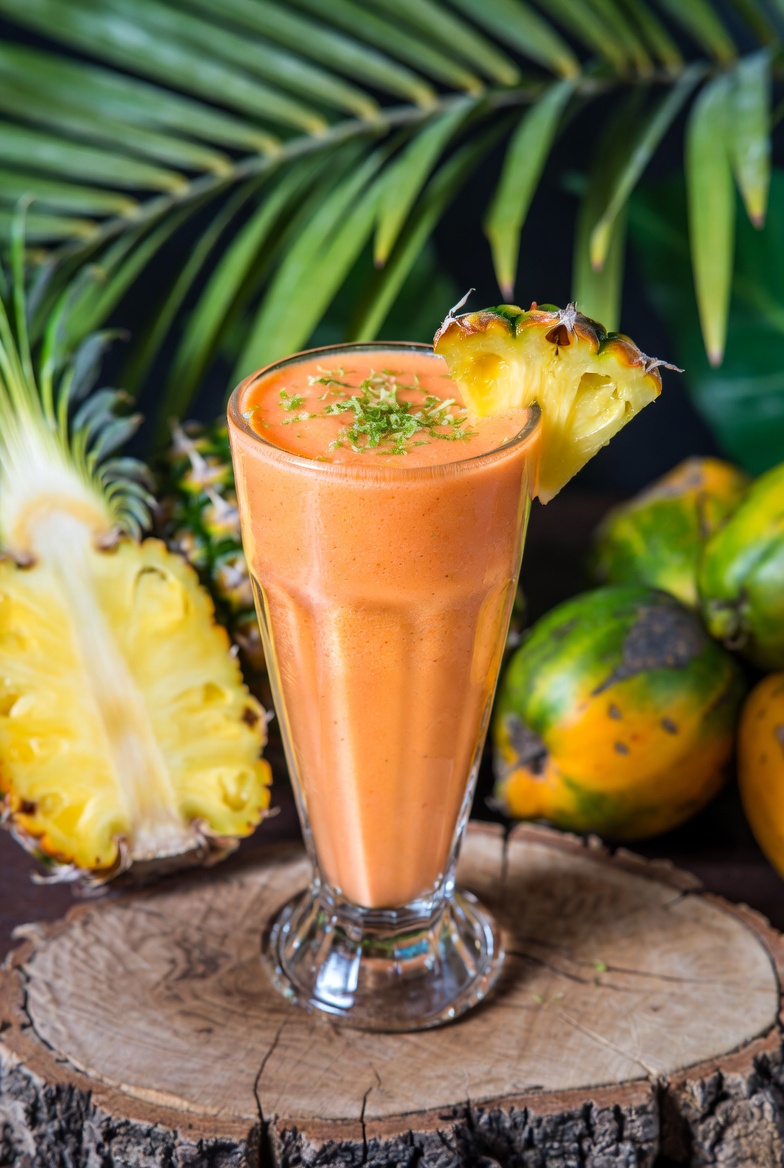
Enjoy this vibrant Equatorial Guinea Malamba Palm Fruit-Pineapple Smoothie, bursting with tropical fruit and authentic island flavors.
The Fascinating History Behind the Equatorial Guinea Malamba Palm Fruit-Pineapple Smoothie
While this smoothie is a modern healthy twist, it draws deep inspiration from Equatorial Guinea’s rich culinary traditions. Malamba is the beloved traditional drink of Equatorial Guinea, Cameroon, and Gabon—originally a mildly alcoholic beverage made by fermenting sugarcane juice or palm sap. Locals also celebrate palm fruit (from the oil palm tree) in hearty dishes like Pambota or Sopa de Malamba, where the creamy red pulp is cooked with meats or fish. Abundant pineapples thrive in the country’s tropical climate, making this pairing a natural celebration of Equatorial Guinea’s fertile volcanic soils and island heritage since Portuguese and Spanish colonial times.
Health Benefits and Who Might Benefit
This smoothie is packed with powerful nutrients. Palm fruit pulp delivers high levels of beta-carotene (vitamin A) and antioxidants that support eye health, immunity, and skin glow. Pineapple provides vitamin C, manganese, and the enzyme bromelain for digestion and anti-inflammatory effects. Together they offer quick energy, hydration, and gut support. The drink may benefit those with low immunity, digestive issues like bloating, inflammatory conditions, or athletes needing recovery. Its natural sugars and electrolytes also help combat fatigue and support hydration in hot climates.
Tips for Buying and Preparing the Best Ingredients
– Palm Fruit Pulp: Look for frozen or canned red palm fruit puree in African or international grocery stores, or order online from fair-trade suppliers. If unavailable, a small amount of red palm oil can add authentic color and flavor (use sparingly). Store frozen pulp in the freezer.
– Pineapple: Choose ripe, fragrant fresh pineapples or frozen chunks for convenience and maximum sweetness. Core and chop fresh ones; freeze extras for thicker texture.
– Coconut Water: Use pure, unsweetened coconut water for natural electrolytes. Shake well if using canned varieties.
Prepare ingredients ahead—freeze palm pulp and pineapple portions for instant blending any day.
Ingredients (Serves 1 large or 2 small servings)
- 1 cup palm fruit pulp (fresh, frozen, or canned puree)
- 1 cup fresh or frozen pineapple chunks
- 1 cup unsweetened coconut water
- Juice of ½ lime
- 1 tablespoon honey or maple syrup (optional, for extra sweetness)
- Handful of ice cubes
- Fresh pineapple slice and palm leaf (optional garnish)
Step-by-Step Instructions
- Prepare 1 cup palm fruit pulp (thaw if frozen) and 1 cup pineapple chunks.
- Add the palm fruit pulp, pineapple chunks, 1 cup coconut water, juice of ½ lime, 1 tablespoon honey or maple syrup (if using), and a handful of ice cubes to a high-speed blender.
- Blend on high speed for 45-60 seconds until smooth and creamy with a beautiful orange-pink hue.
- Taste and adjust sweetness or thickness by adding more coconut water or a touch more sweetener if desired.
- Pour into a chilled glass, garnish with a fresh pineapple slice and a sprinkle of lime zest. Serve immediately and savor the tropical taste of Equatorial Guinea!
Full Nutritional Breakdown
Approximate values per serving (1 large smoothie). Values can vary slightly based on exact brands and portion sizes. Consult a nutrition app for personalized calculations.
| Nutrient | Amount | % Daily Value* |
|---|---|---|
| Calories | 260 kcal | 13% |
| Total Fat | 8 g | 10% |
| Saturated Fat | 6 g | 30% |
| Carbohydrates | 42 g | 15% |
| Dietary Fiber | 6 g | 21% |
| Sugars | 28 g | — |
| Protein | 3 g | 6% |
| Vitamin A | 850 mcg | 94% |
| Vitamin C | 85 mg | 94% |
| Potassium | 620 mg | 13% |
*Based on a 2,000 calorie diet. This smoothie is also rich in bromelain, beta-carotene, and natural electrolytes not always listed in standard breakdowns.
Contraindications and Cautions
Avoid if you have allergies to pineapple, palm products, or coconut. The high vitamin A content means those with hypervitaminosis A or on certain medications should consult a doctor. Natural sugars may affect blood sugar levels—diabetics should monitor portions. Pregnant individuals or those with kidney issues should check potassium levels. This is not medical advice—consult a healthcare professional for personalized guidance.
Storage Tips
Best enjoyed fresh for peak flavor and nutrient retention. Store leftovers in an airtight jar in the refrigerator for up to 24 hours. Shake well before drinking as natural separation may occur. Do not freeze, as the texture becomes watery upon thawing.
5 Delicious Variations of the Equatorial Guinea Malamba Palm Fruit-Pineapple Smoothie
- Protein Boost: Add 1 scoop vanilla protein powder or a handful of cashews for sustained energy and post-workout recovery.
- Spiced Palm: Blend in a pinch of fresh ginger and cayenne for a warming, anti-inflammatory kick inspired by African spice traditions.
- Coconut Dream: Replace coconut water with full-fat coconut milk for extra creaminess and tropical richness.
- Berry Palm Twist: Add ½ cup fresh strawberries or mango for brighter color and extra vitamin C.
- Green Power Palm: Toss in a handful of spinach or kale for added greens without changing the delicious fruity flavor.