Ghanaian Pineapple Ginger Coconut Water Juice Recipe: The Ultimate Tropical Immunity Booster
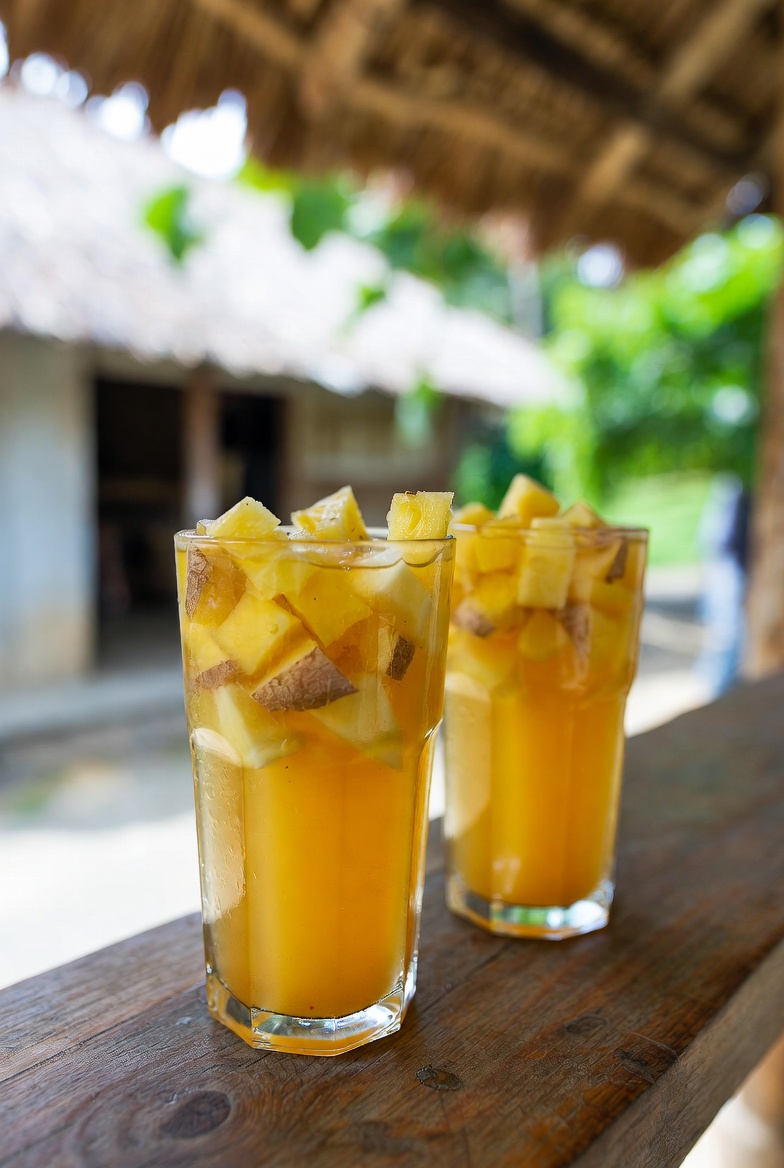
Craving a naturally sweet, spicy, and ultra-hydrating drink that screams sunshine? This classic Ghanaian pineapple ginger coconut water juice (locally called “Ghana Fresh” or simply “Pine-Ginger”) is sold by the cupful at every chop bar, street corner, and beach in Accra, Kumasi, and Cape Coast. It’s 100 % raw, sugar-free, and bursting with tropical flavor. Here’s everything you need to make it perfectly at home.
Interesting History of This Ghanaian Classic
Pineapple was introduced to Ghana in the late 1800s and quickly became one of the country’s star crops – today Ghana ranks among the top 10 pineapple exporters worldwide. Ginger has been used in West African herbal medicine for centuries, and coconut palms line the entire coastline. Street vendors began blending the three ingredients in the mid-20th century, creating an instant hit that cools the body, settles the stomach, and boosts energy in the intense tropical heat. In modern Ghana, plastic sachets of pine-ginger are sold everywhere, but the freshest (and most delicious) version is still the homemade one pressed or blended fresh daily.
Health Benefits of Pineapple Ginger Coconut Water Juice
- Powerful Anti-Inflammatory**: Bromelain (pineapple) + gingerols (ginger) dramatically reduce inflammation – excellent for arthritis, muscle soreness, or menstrual cramps.
- Digestive Superstar**: Relieves bloating, nausea, and indigestion; widely used in Ghana after heavy fufu or banku meals.
- Immune Support**: Extremely high in vitamin C (one serving can exceed 200 % DV) and manganese.
- Natural Hydration & Electrolytes**: Coconut water replenishes potassium and magnesium faster than sports drinks.
- Blood Sugar Friendly**: Despite tasting sweet, it has a low glycemic load when no sugar is added.
- Weight Management Aid**: Low calorie, high fiber (if pulp is kept), and metabolism-boosting.
Conditions that may benefit: IBS, acid reflux, arthritis, post-workout recovery, morning sickness, hypertension, and general fatigue.
Contraindications & Cautions
- Ginger can thin blood – avoid high amounts if on warfarin or before surgery.
- Pineapple’s bromelain may increase bleeding risk when combined with blood thinners.
- Very high ginger doses (>4 g/day) may cause heartburn or mouth irritation.
- People with pineapple allergy (rare but exists) should avoid.
- Diabetics: stick to the no-added-sugar version and monitor portions.
Best Tips for Buying & Preparing the Ingredients
- Pineapple** – Choose fragrant, golden-yellow fruits that feel heavy and yield slightly when pressed at the base. Smell the bottom – it should smell sweet. MD2 or Sugarloaf varieties are sweetest.
- Ginger** – Buy young, thin-skinned ginger if possible (spicier and juicier). Avoid wrinkled or fibrous old roots.
- Coconut Water** – Fresh green coconuts are best (machete-opened at markets). If using packaged, choose 100 % pure with no added sugar (brands like Vita Coco or Harmless Harvest).
- Preparation hack** – Peel pineapple, remove eyes, and cut into spears. No need to core if using a strong juicer or blender.
Authentic Ghanaian Pineapple Ginger Coconut Water Juice Recipe
Serves: 4 large glasses (about 1.2 liters)
Prep time: 10 minutes
Ingredients (100 % raw)
- 1 large ripe pineapple (about 1.2–1.5 kg whole)
- 60–80 g fresh ginger (adjust to taste – Ghanaians love it strong!)
- 750 ml fresh coconut water (or 3–4 young coconuts)
- Ice cubes (optional)
- No sugar needed – ripe pineapple is plenty sweet
Method
- Peel and chop the pineapple into chunks. Remove the core only if blending and you want it smoother.
- Peel the ginger (scrape skin with a spoon) and slice into coins.
- Juicer method (clear juice): Feed pineapple and ginger alternately through a slow juicer. Stir in coconut water.
- Blender method (Ghanaian street style): Blend everything (including coconut water) on high for 60–90 seconds. Strain through a fine mesh sieve or nut-milk bag if you want it clear, or leave pulpy for extra fiber.
- Taste and add more ginger if you want extra fire.
- Serve over ice immediately – that’s how it’s done in Accra!
Full Nutritional Breakdown (Per 300 ml Serving – No Added Sugar)
| Nutrient | Amount | % Daily Value* |
|---|---|---|
| Calories | 98 kcal | 5 % |
| Carbohydrates | 23 g | 8 % |
| Natural Sugars | 18 g | – |
| Fiber (if pulp kept) | 2.5 g | 9 % |
| Protein | 1.2 g | 2 % |
| Fat | 0.3 g | 0 % |
| Vitamin C | 110 mg | 122 % |
| Manganese | 1.4 mg | 70 % |
| Potassium | 480 mg | 10 % |
| Magnesium | 45 mg | 11 % |
| Bromelain & Gingerol | High levels | – |
*Based on a 2,000-calorie diet
Storage & Shelf Life
- Best consumed immediately** – nutrients and flavor peak within the first hour.
- Refrigerator: Store in an airtight glass bottle filled to the very top (minimizes oxidation). Keeps 48–72 hours max. Shake well before drinking.
- Freezer: Pour into ice-cube trays or freezer-safe bottles, leaving headspace. Keeps 2–3 months. Thaw in fridge overnight and drink within 24 hours.
- Pro trick: Add a squeeze of lime just before storing to slow browning.
Ready to taste Ghana in a glass? Make a big batch of this pineapple ginger coconut water juice and feel the tropical energy!